Introduction
In the upstream extraction, midstream pipeline transportation, and downstream refining of petroleum, managing fluid dynamics is a continuous operational challenge. Crude oil is a complex, non-Newtonian fluid whose physical properties shift rapidly with temperature and pressure variations. Relying on traditional manual laboratory sampling creates severe process time lags, leading to pipeline over-pressurization, inaccurate blending, and expensive financial discrepancies during custody transfer.
Implementing advanced inline process instrumentation is no longer optional—it is a critical benchmark for modern refining and heavy crude oil management.
Section 1: Mitigating Heavy Crude Viscosity Risks in Midstream Pipelines
Transporting heavy crude oil through thousands of miles of pipelines requires immense pumping energy. As temperature drops, crude oil viscosity spikes exponentially, increasing frictional resistance and risking total pipeline wax deposition or blockage.
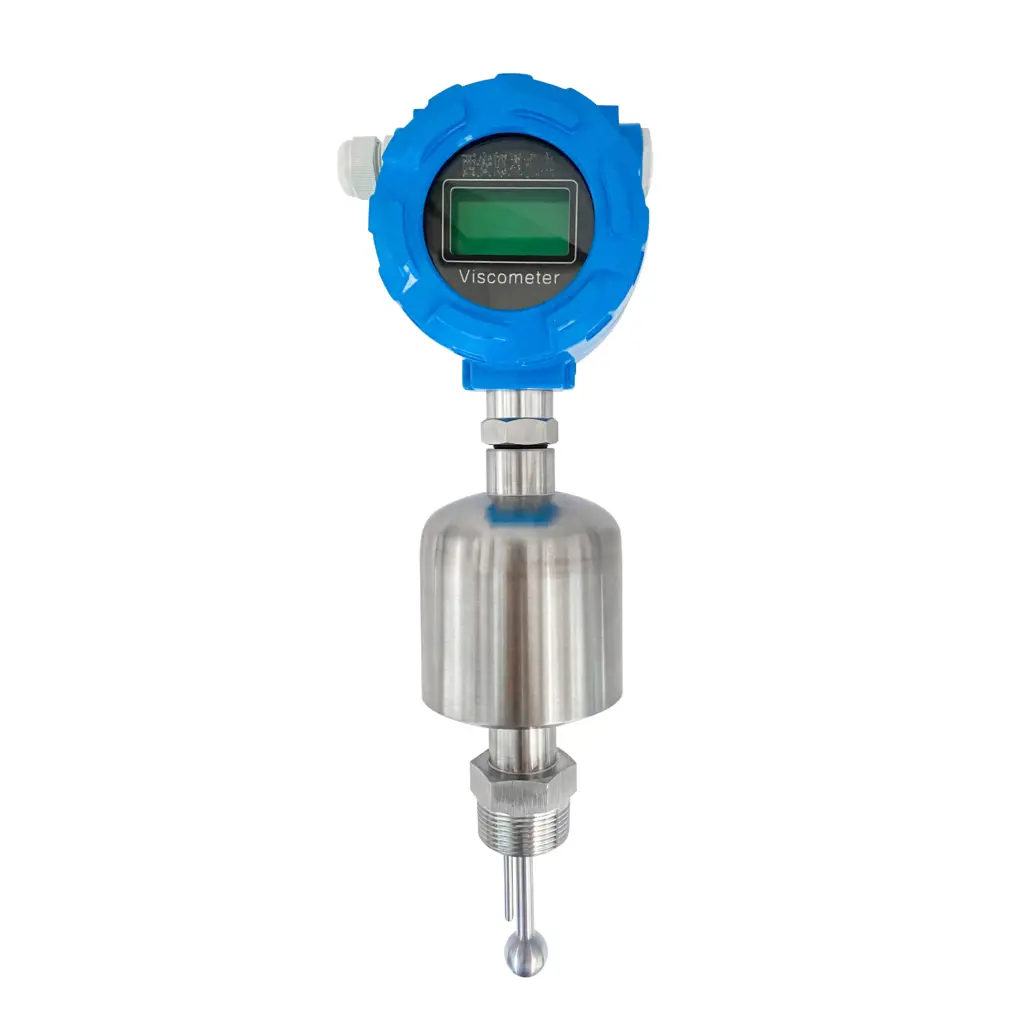
By integrating the LONN Vibrating Fork Inline Viscometer, operators gain real-time viscosity and temperature tracking directly inside the main transport lines. This data loop allows automated dosing of drag-reducing agents (DRAs) and precise control of heat tracer systems. Optimizing fluid transition speeds through accurate inline profiling slaws down equipment wear and reduces pipeline maintenance costs by up to 30%.
Section 2: Ensuring Custody Transfer Accuracy with Precision Positive Displacement Flow Meters
Custody transfer—the transactional exchange of oil between producers, pipeline operators, and refineries—demands the highest standard of volumetric and mass precision. Even a 0.1% measurement drift can result in millions of dollars in untracked losses or commercial disputes.
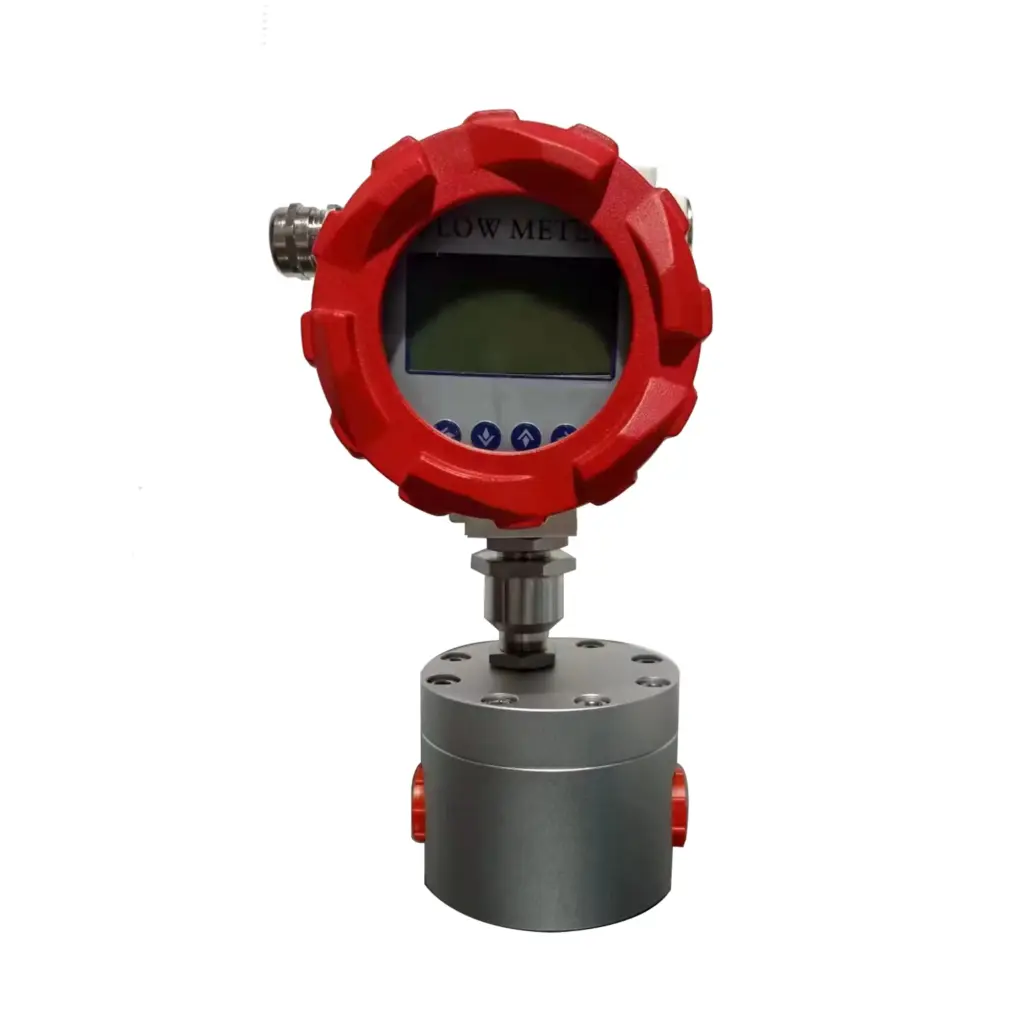
Mechanical robustness and repeatability are non-negotiable in these high-stakes environments. The LONN-GF Series Professional Positive Displacement Gear Flow Meter uses high-precision oval gear technology specifically engineered for high-viscosity liquids, fuels, and chemical additives. Constructed from heavy-duty 316 Stainless Steel or Aluminum Alloy, the LONN-GF delivers a remarkable $\pm0.5\%$ FS accuracy and $\pm0.2\%$ repeatability. Unlike alternative flow technologies, its accuracy actually improves as fluid viscosity increases, making it the industry standard for accurate petroleum allocation and custody transfer.
Section 3: Phase Separation and Oil-Water Interface Control in Refinery Separators
During the initial refining stages, crude oil must undergo strict dehydration and desalting. Unstable emulsification and water-cut fluctuations disrupt distillation columns and damage downstream catalysts.
Continuous monitoring via online density and concentration meters allows plant operators to instantaneously detect the precise interface level between oil, emulsion, and water phases within the separators. This eliminates the risk of water carryover into the refining loop, maximizing throughput and guaranteeing that the final output complies with strict environmental and commercial quality standards.
Section 4: Rugged Engineering for Hazardous Refinery Environments
Petroleum processing facilities are unforgiving environments defined by corrosive media, explosive hydrocarbon gases, and severe weather. Instrumentation must be built to survive.
SmartMeasurer’s complete line of petroleum instrumentation features robust explosion-proof housings, carrying Ex d IIC T6 flameproof certifications. With specialized wetted materials including Hastelloy C and PTFE linings, our instruments stand up to hydrogen sulfide ($H_2S$), high-salinity brine, and aggressive chemical solvents, ensuring a zero-incident safety record and an exceptional field lifespan.
Email: anna@xalonn.com
Brand: LONNMETER | smartmeasurer.com
Fill out our RFQ form