
Real-time inline concentration measurement is transforming the way modern process plants operate. Where laboratory sampling once introduced delays of hours—or even an entire shift—today’s process concentration monitoring systems deliver instant, continuous readings directly within the production line. For chemical engineers, plant managers, and process specialists, the ability to track acid concentration, Brix values, or slurry density in real time means tighter product quality, less waste, reduced labour, and faster decision-making.
Whether you are managing a sulfuric acid neutralisation circuit, controlling sugar crystallisation in a food plant, or optimising flotation recovery in a mineral processing operation, accurate inline concentration measurement is the foundation of reliable, cost-effective production. This comprehensive guide covers everything you need to know—from underlying principles and available technologies to acid/base applications, best practices, and common pitfalls.
What Is Inline Concentration Measurement?
Inline concentration measurement refers to the continuous, in-process quantification of a solute’s proportion within a liquid solution or slurry. Unlike laboratory titration or refractometer spot-checks, an inline concentration meter is permanently installed in the process line and provides live data at every moment—enabling closed-loop control and immediate corrective action.
The term online concentration measurement is often used interchangeably, though “inline” specifically implies the sensor is directly immersed in or mounted on the process pipe, while “online” can also encompass extractive or bypass configurations. Both approaches share the same goal: replacing discontinuous lab analysis with continuous, real-time monitoring.
Concentration and Density: An Inseparable Relationship
Most liquid concentration measurements are fundamentally tied to solution density. As the proportion of dissolved solids or acids in a liquid increases, so does its density. By measuring density with high precision, a modern inline concentration meter can calculate concentration using established mathematical relationships—often expressed through empirical calibration curves or polynomial equations derived from known reference standards.
For example:
- A 30% (w/w) sulfuric acid solution has a density of approximately 1.202 g/cm³ at 20 °C.
- A 40% (w/w) sodium hydroxide solution has a density of approximately 1.430 g/cm³ at 20 °C.
- A 20° Brix sucrose solution has a density of approximately 1.083 g/cm³ at 20 °C.
By characterising these density-concentration relationships across the full operating range, LONNMETER inline concentration meters convert raw density readings into accurate concentration values—ready for display, logging, and control system integration.
Why Does Inline Concentration Measurement Matter?
Traditional concentration analysis relies on taking samples and analysing them in a laboratory. This approach carries several well-documented drawbacks:
- Time lag: A sample collected at 09:00 may not produce a result until 11:00, meaning the process runs “blind” for hours.
- Sampling errors: Grab samples can be non-representative, especially in slurry or multiphase flows.
- Labour intensity: Dedicated technicians spending hours on routine titrations is an inefficient use of skilled staff.
- Safety risk: Sampling corrosive acids or hot caustic solutions exposes personnel to injury.
- Poor control granularity: With only discrete lab results, tight process control is impossible.
An inline or online concentration measurement system eliminates all of these issues. Continuous monitoring enables automated feedback control, early deviation alerts, and a complete digital record of process performance—exactly the kind of process concentration monitoring that modern competitive plants require.
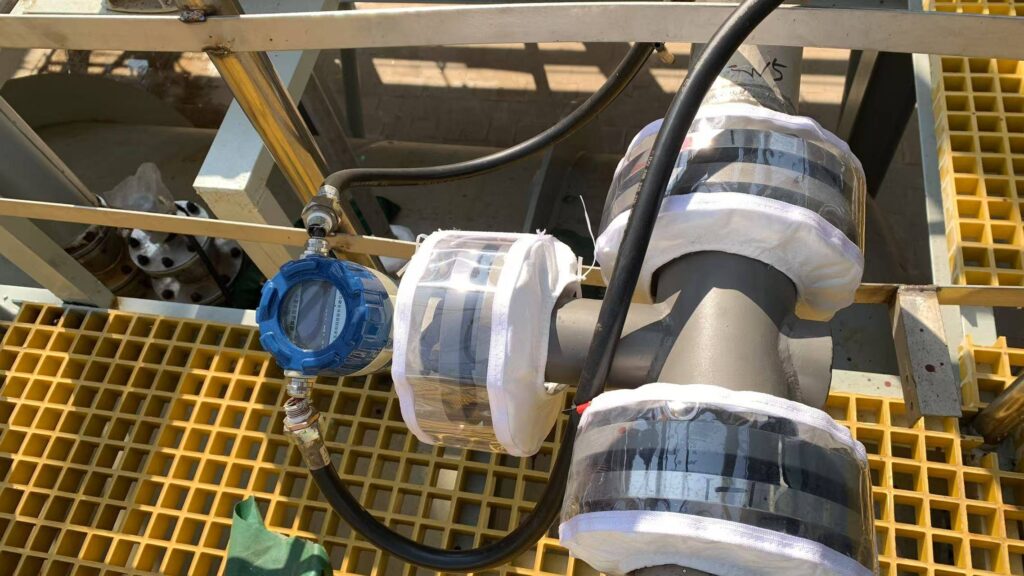
Technologies for Inline Concentration Measurement
Selecting the right technology is critical to achieving reliable, accurate results in your specific application. Four principal technologies dominate the inline concentration measurement landscape: ultrasonic, tuning fork (vibrating element), refractive index, and conductivity. Each has distinct strengths and ideal use cases.
Ultrasonic Concentration Meters
Ultrasonic concentration meters measure the speed of sound propagation through a liquid. Since the speed of sound is directly related to both density and compressibility—and therefore to concentration—ultrasonic sensors can derive concentration values from ultrasonic transit time measurements.
Key advantages:
- No moving parts, making them highly reliable in harsh process environments.
- Excellent long-term stability with minimal drift.
- Effective across a wide concentration range, including very low and very high concentrations.
- Compatible with corrosive chemicals including strong acids and alkalis.
- Often available with ATEX/IECEx explosion-proof certification for hazardous chemical plant environments.
LONNMETER ultrasonic concentration meters typically achieve concentration accuracy of ±0.1% and density accuracy of ±0.001 g/cm³, with integrated temperature compensation ensuring readings remain accurate even when process temperature fluctuates by ±50 °C from the calibration reference point.
Tuning Fork (Vibrating Element) Meters
Tuning fork density meters exploit the principle that a vibrating element’s resonant frequency changes when immersed in a fluid of different density. Heavier (more concentrated) solutions increase the added mass effect, lowering the resonant frequency.
These instruments offer excellent precision for clean, single-phase liquids and are widely used in laboratory and refinery applications. However, they are sensitive to coating, fouling, and solids in the fluid, which can restrict their use in slurry applications without robust pre-filtration or regular cleaning cycles.
Refractive Index Meters
Refractive index (RI) concentration meters measure how light bends as it passes through a liquid. Since RI is directly proportional to dissolved solids concentration for many solutions, RI sensors can provide accurate inline concentration readings in food, beverage, and pharmaceutical applications.
Refractive index meters excel in:
- Sugar solutions and Brix measurement (0–80°Bx range).
- Syrups, fruit juices, and dairy products.
- Clear, single-phase liquids without suspended solids.
The main limitation is that refractive index is temperature-sensitive and ineffective for opaque or multi-component mixtures where multiple solutes affect the refractive index simultaneously.
Conductivity-Based Concentration Meters
For acid and base solutions where the ionic species is the primary conductor, conductivity-based inline concentration meters offer a cost-effective and well-understood approach. Strong acids (HCl, H₂SO₄) and strong bases (NaOH, KOH) dissociate completely in water, and their conductivity varies predictably with concentration.
Conductivity limitations:
- Conductivity-concentration relationships are non-monotonic for some acids (e.g., H₂SO₄ exhibits a conductivity maximum around 30%).
- Temperature compensation is essential and must be highly accurate.
- Cross-sensitivity to other ionic species limits use in mixed-electrolyte solutions.
For comprehensive process concentration monitoring in chemical plants, ultrasonic concentration meters generally provide the broadest capability, covering the widest range of concentrations, temperatures, and fluid types with the lowest maintenance burden.
Measuring Acid and Base Concentration Inline
Chemical processing plants handle a wide variety of acids and bases daily. Inline concentration measurement in these environments demands instruments that can withstand corrosive attack, high temperatures, and in some cases, explosive atmospheres.
Sulfuric Acid (H₂SO₄) Concentration Measurement
Sulfuric acid is one of the most widely produced and used industrial chemicals, with applications ranging from fertiliser manufacturing to ore processing and electrolyte production. Acid concentration measurement for H₂SO₄ typically covers the range 0–50% (w/w) in most process applications.
Sulfuric acid exhibits a complex density-concentration curve, particularly in the mid-range where the relationship between density and concentration becomes nearly flat. LONNMETER ultrasonic concentration meters handle this challenge through multi-point calibration across the full operating range, delivering reliable readings throughout.
Typical application scenarios:
- Leaching circuits: Monitoring acid concentration in uranium, copper, and gold leaching operations ensures optimal metal extraction while minimising over-consumption of acid.
- Electrolyte control: In metal electrowinning, consistent acid concentration is critical to current efficiency and cathode quality.
- Neutralisation systems: Tracking acid concentration in neutralisation feed streams enables precise reagent dosing and prevents overtreatment.
Hydrochloric Acid (HCl) Concentration Measurement
Hydrochloric acid is used extensively in steel pickling, pH adjustment, food processing, and chemical synthesis. Typical inline concentration measurement range for HCl is 0–30% (w/w), with most industrial applications focused in the 5–20% range.
HCl presents a relatively straightforward density-concentration relationship in the 0–30% range, making it well-suited to both ultrasonic and conductivity-based measurement. Temperature compensation of ±0.01 °C resolution is standard practice to maintain ±0.1% concentration accuracy across typical plant temperature variations.
Sodium Hydroxide (NaOH) Concentration Measurement
Caustic soda is essential in pulp and paper, textiles, soaps and detergents, alumina refining, and numerous other industries. Online concentration measurement for NaOH typically spans 0–40% (w/w), with most chemical plants operating in the 10–35% range.
Sodium hydroxide solutions are highly corrosive at elevated temperatures, requiring sensors with appropriate wetted-material construction ( Hastelloy, Tantalum, or PTFE-lined sensors). LONNMETER inline concentration meters for caustic service feature corrosion-resistant wetted surfaces and ATEX/IECEx-rated enclosures for use in classified plant areas.
Nitric Acid (HNO₃) Concentration Measurement
Nitric acid applications include fertiliser production, explosives manufacturing, and metal etching. Typical measurement range is 0–60% (w/w), with instrument selection depending on temperature and concentration profile. Ultrasonic meters with Hastelloy or Tantalum wetted parts are commonly specified for HNO₃ service.
ATEX and IECEx Requirements for Chemical Plants
In chemical processing environments where flammable vapours or gases may be present, instrumentation must comply with explosion protection standards. LONNMETER offers inline concentration meters certified to ATEX (European) and IECEx (International) standards for Zone 1 and Zone 2 hazardous areas.
When specifying an inline concentration meter for a chemical plant, always verify:
- The certification covers the specific gas group and temperature class present in your facility.
- The instrument’s maximum surface temperature is below the autoignition temperature of any present vapours.
- The enclosure rating (typically IP65 or higher) matches your plant’s washdown and environmental conditions.
- Calibration certificates traceable to national standards are provided.
Measuring Brix and Sugar Concentration Inline
The food and beverage industry relies heavily on inline concentration measurement for sugar and related soluble solids. The Brix scale (°Bx) quantifies the mass of dissolved sugar per 100 g of solution at 20 °C, and is the global standard for fruit juices, syrups, dairy products, and sugar processing.
Brix Measurement Range and Applications
Modern inline Brix meters cover the full range 0–80°Bx, making them suitable for applications from low-concentration fruit juices through to high-density syrups and molasses.
| Application | Typical Brix Range |
|---|---|
| Fruit juices (orange, apple, grape) | 10–18°Bx |
| Tomato juice and concentrates | 5–18°Bx |
| Cane sugar juice | 10–20°Bx |
| Syrups | 60–80°Bx |
| Molasses | 78–80°Bx |
How Inline Brix Meters Work
Most industrial inline Brix meters use either ultrasonic or refractive index technology, depending on fluid clarity:
- Refractive index meters are ideal for clear, single-component sugar solutions where the relationship between RI and Brix is highly linear and predictable.
- Ultrasonic meters handle both clear and slightly turbid fluids, making them more versatile across the food processing plant—from clarified juices to pulpy concentrates.
Both technologies require temperature compensation, as Brix readings are highly temperature-sensitive. LONNMETER Brix meters incorporate automatic temperature compensation (ATC), referencing all readings to the standard 20 °C calibration point.
Process Concentration Monitoring in Food Production
Inline Brix monitoring enables real-time process control in critical food production stages:
- Juice concentration: Controlling evaporator feed Brix to maintain consistent final concentrate quality and prevent over-concentration or under-concentration.
- Fermentation monitoring: Tracking sugar depletion (°Bx decline) in real time provides precise visibility into fermentation progress without manual sampling.
- Blend correction: Continuous Brix monitoring allows automatic dosing adjustments to maintain target product specifications, reducing giveaway and improving consistency.
- CIP validation: Verifying complete removal of sugar-rich process fluids during cleaning-in-place cycles.
Measuring Mining Slurry Concentration Inline
Mineral processing plants handle ore slurries containing water, valuable minerals, and gangue solids. Process concentration monitoring in mining serves two critical purposes: maximising recovery and managing material balance. The concentration of solids in a slurry—expressed as % weight solids (%Wo) or % volume solids—is a key operating variable in grinding, flotation, thickening, and tailings management circuits.
Flotation Circuit Concentration Monitoring
In froth flotation, maintaining the correct feed solids concentration is essential for bubble-particle collision efficiency, froth stability, and ultimately, mineral recovery. Typical flotation feed concentrations range from 15–40% solids by weight, varying by ore type and cell design.
Inline slurry concentration meters installed on flotation feed lines provide real-time data that enables:
- Automatic adjustment of feed dilution water to maintain target %Wo.
- Early detection of grind circuit disturbances affecting particle size distribution.
- Correlation of concentrate grade and recovery to real-time feed conditions.
- Reduction of laboratory sampling frequency and associated costs.
Thickener Underflow Concentration Monitoring
Thickener underflow density directly impacts downstream processes. Underflow that is too dilute wastes tank volume and increases reagent consumption in subsequent leaching circuits. Overly dense underflow can cause pumping problems and pipeline blockages.
Typical thickener underflow concentrations range from 40–70% solids by weight, depending on ore characteristics and flocculant dosing. Inline concentration measurement on thickener underflow streams enables:
- Optimised flocculant dosing based on real-time density.
- Prevention of underflow pumping issues through early density increase detection.
- Accurate mass balance calculations for plant metallurgical accounting.
- Integration with plant-wide process concentration monitoring dashboards.
Pulp Level and Density in Leaching Circuits
In gold, copper, and uranium leaching operations, maintaining correct pulp density ensures optimal leach kinetics and reagent consumption. Inline concentration measurement on leach feed and discharge streams allows operators to:
- Control dilution water additions to maintain target %Wo entering each leach tank.
- Track density changes that indicate short-circuiting or channeling within leach circuits.
- Verify preg-robbing or carbon-in-leach process performance through density tracking.
LONNMETER slurry concentration meters feature wear-resistant sensor constructions suitable for abrasive slurries, with purge systems available for applications where sensor fouling or coating is a concern.
Best Practices and Common Mistakes
Achieving reliable, accurate inline concentration measurement requires more than simply installing a sensor. Here are the key best practices—and the most common mistakes to avoid.
Best Practices
1. Perform comprehensive site surveys before instrument selection. Every process fluid has unique characteristics—viscosity, solids content, temperature range, chemical aggressiveness, and presence of bubbles or foam. A thorough survey ensures the selected technology matches the application. For complex or borderline cases, request a bench-scale test or on-site pilot evaluation from your instrument supplier.
2. Specify appropriate temperature compensation. Concentration measurements are inherently temperature-dependent. Always verify that your inline concentration meter provides automatic temperature compensation across the full operating temperature range, not just a narrow reference band. LONNMETER instruments typically specify compensation accuracy across –20 °C to +150 °C, depending on model.
3. Plan for installation location carefully. The ideal installation location is a straight run of pipe with at least 10 pipe diameters of unobstructed upstream straight pipe and 5 diameters downstream. This ensures fully developed, turbulent flow and minimises bubble accumulation or stratification effects.
4. Establish a calibration verification schedule. Even the most stable instruments drift over time. A quarterly or semi-annual calibration verification against primary standards (lab density measurements or certified reference solutions) ensures your inline readings remain within specification. Document all verifications as part of your quality management system.
5. Integrate with your process control system. The value of inline measurement is fully realised only when the data drives action. Connect your concentration meter to your DCS or PLC via 4–20 mA, HART, Modbus, or FOUNDATION Fieldbus, and configure appropriate alarms and control loops. Set high/low concentration alerts to trigger immediate operator notification.
6. Consider ATEX/IECEx from the outset. If your plant operates in hazardous areas, specifying explosion-proof instruments at purchase is far more cost-effective than retrofitting later. Ensure the certification documentation matches your facility’s specific requirements and that installation follows the certification conditions.
Common Mistakes to Avoid
Mistake 1: Assuming one technology fits all applications. A conductivity meter that works perfectly for NaOH may fail entirely for H₂SO₄ in the mid-concentration range due to conductivity curve inflection. Evaluate technology selection based on your specific fluid, not generic assumptions.
Mistake 2: Ignoring installation effects. Installing a concentration meter immediately downstream of a pump, valve, or sharp bend introduces measurement errors from cavitation, aeration, and flow disturbances. Follow manufacturer installation guidelines religiously.
Mistake 3: Neglecting calibration maintenance. An instrument that was accurate at commissioning can drift significantly over months of operation, especially in corrosive or abrasive service. Without a structured calibration maintenance programme, you may be making process decisions based on incorrect data.
Mistake 4: Overlooking CIP and cleaning requirements. In food, pharmaceutical, and some chemical applications, inline instruments must survive regular CIP cycles involving high-temperature alkaline or acidic cleaning solutions. Verify that the instrument’s materials of construction and sealing are rated for your cleaning regime.
Mistake 5: Setting alarm limits too tightly. Alarm bands that are too narrow create alarm fatigue and cause operators to ignore or suppress alerts. Set alarms based on statistically valid process variation data—typically ±2σ to ±3σ from the mean operating point.
Mistake 6: Not leveraging the full data set. Modern inline concentration meters provide far more than a single concentration reading. They also log density, temperature, signal strength, and diagnostics. This rich data set supports predictive maintenance, troubleshooting, and process optimisation when properly archived and analysed.
Frequently Asked Questions
Q1: What is the accuracy of an inline concentration meter, and how does it compare to laboratory analysis?
Modern inline concentration meters from reputable manufacturers like LONNMETER achieve concentration accuracy of ±0.1% and density accuracy of ±0.001 g/cm³ under standard conditions. Laboratory analysis (titration, gravimetric methods) can achieve slightly higher precision under ideal conditions but introduces time delays and sampling variability. In most process applications, the real-time accuracy and consistency of inline measurement provides superior process control outcomes compared to discrete laboratory results.
Q2: Can inline concentration meters be used in hazardous (ATEX/IECEx) areas?
Yes. LONNMETER offers inline concentration meters certified to ATEX Zone 1/2 and IECEx standards for use in explosive atmospheres. When specifying for hazardous areas, you must confirm that the certification covers the specific gas group, temperature class, and environmental conditions of your plant. Proper installation following certification conditions is essential to maintain the explosion protection rating.
Q3: How does temperature affect inline concentration measurements, and how is it compensated?
Temperature affects both the physical properties of the fluid and the sensor’s measurement response. All LONNMETER inline concentration meters incorporate automatic temperature compensation, converting measured values to reference temperature conditions (typically 20 °C). Temperature compensation algorithms are calibrated across the instrument’s specified operating range. For the highest accuracy requirements, some models offer dual-channel temperature measurement for enhanced compensation precision.
Q4: What concentration ranges can inline meters measure for common acids and bases?
Typical measurement ranges for common process chemicals are: sulfuric acid (H₂SO₄) 0–50%, hydrochloric acid (HCl) 0–30%, sodium hydroxide (NaOH) 0–40%, and nitric acid (HNO₃) 0–60% (w/w). Brix measurement spans 0–80°Bx. Always verify that your specific model covers the exact concentration range and chemical compatibility requirements of your application.
Q5: What maintenance do inline concentration meters require?
Maintenance requirements vary by technology and application severity. General maintenance includes periodic calibration verification (quarterly or semi-annually), inspection and cleaning of sensor surfaces (especially in slurry or fouling service), verification of cable and connection integrity, and firmware updates as released by the manufacturer. LONNMETER instruments are designed for minimal maintenance, and most installations require only annual or bi-annual service intervals in standard chemical applications.
Q6: Can inline concentration meters handle slurry applications with high solids content?
Yes, but technology selection is critical. Ultrasonic concentration meters handle slurry applications well, including flotation feed, thickener underflow, and leach pulp density measurement. Slurry concentrations from 15% to 70% solids by weight can be monitored with appropriate sensor configuration. For highly abrasive slurries, LONNMETER offers wear-resistant sensor designs with hardened wetted surfaces and optional purge systems to minimise the impact of solid particle abrasion.
Conclusion: Why Inline Concentration Measurement Is Non-Negotiable in Modern Process Plants
Inline concentration measurement is no longer a luxury reserved for high-end operations—it is a fundamental requirement for any plant that demands consistent product quality, efficient resource utilisation, and competitive operational costs. Whether you are monitoring acid concentration in a chemical neutralisation circuit, tracking Brix in a juice concentrate evaporator, or optimising slurry density in a flotation cell, the benefits of real-time, continuous concentration data are immediate and measurable.
The shift from laboratory-based sampling to inline process concentration monitoring delivers tangible returns: tighter product quality control, reduced reagent consumption, lower labour costs, improved safety, and the digital data trail that modern process excellence programmes demand.
Key Takeaways
- Inline concentration measurement replaces slow, error-prone laboratory sampling with continuous, real-time data.
- Ultrasonic, tuning fork, refractive index, and conductivity technologies each serve specific application needs.
- LONNMETER inline concentration meters deliver ±0.1% concentration accuracy and ±0.001 g/cm³ density accuracy with ATEX/IECEx certification available.
- Common applications span acid and base monitoring (H₂SO₄ 0–50%, HCl 0–30%, NaOH 0–40%), Brix measurement (0–80°Bx), and mining slurry density (15–70% solids).
- Best practices—including proper installation, temperature compensation, and calibration maintenance—are essential to achieving and sustaining measurement accuracy.
- Related inline measurement technologies covered in our other guides include inline density measurement and inline viscosity measurement, which often complement concentration monitoring in comprehensive process control strategies.
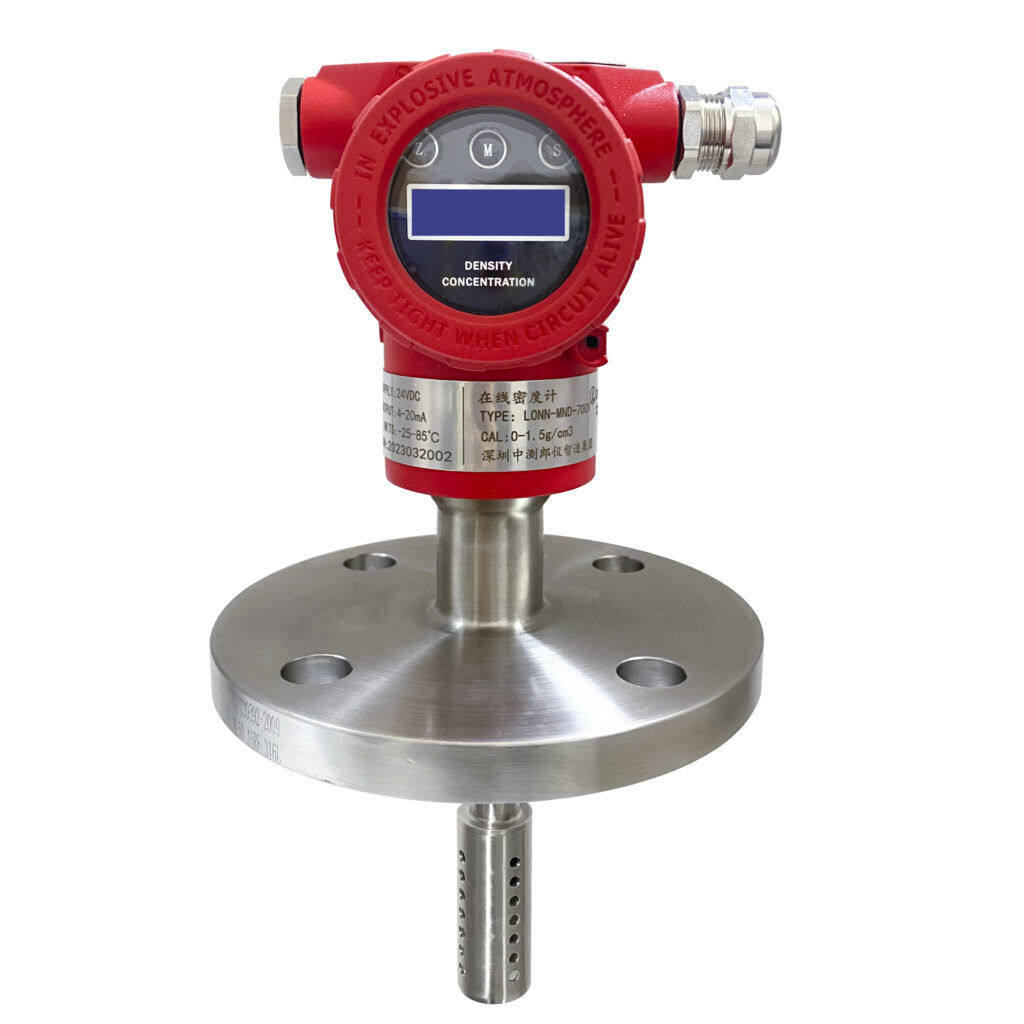
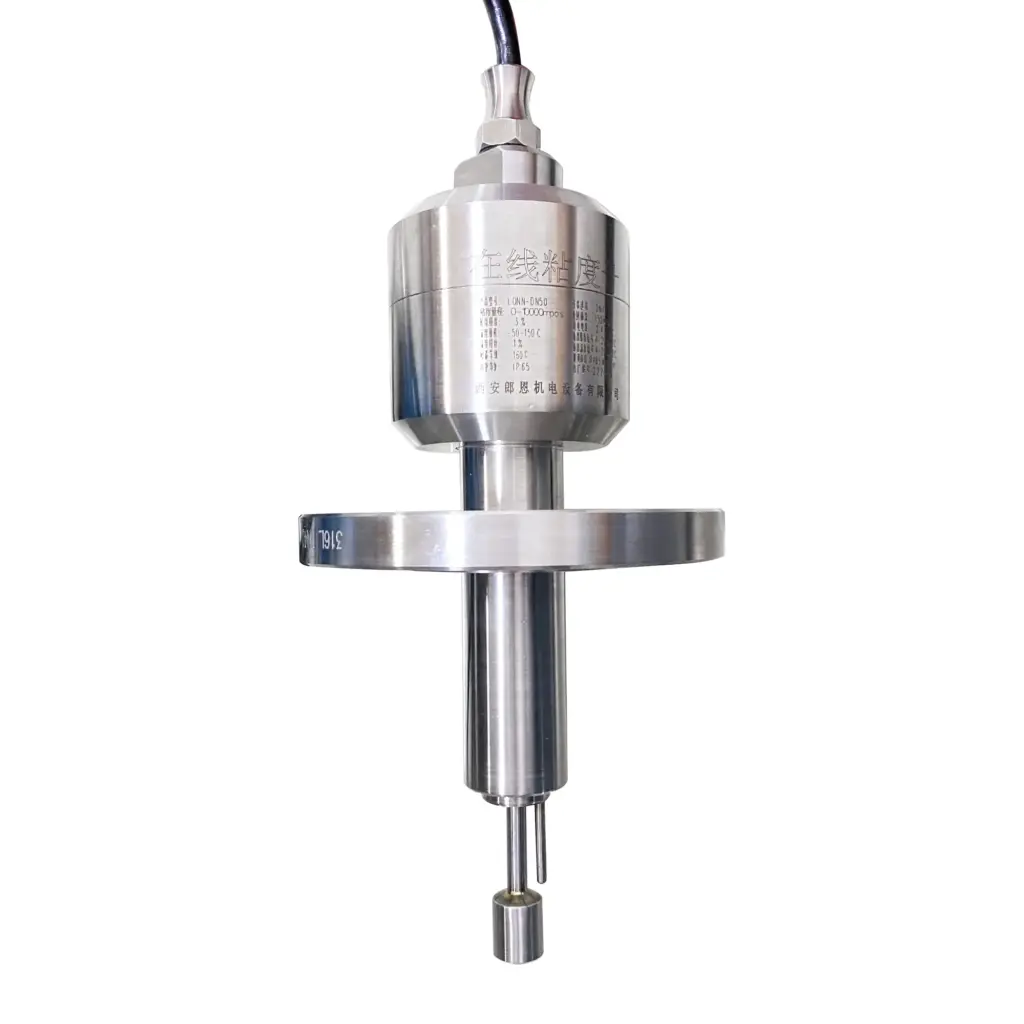
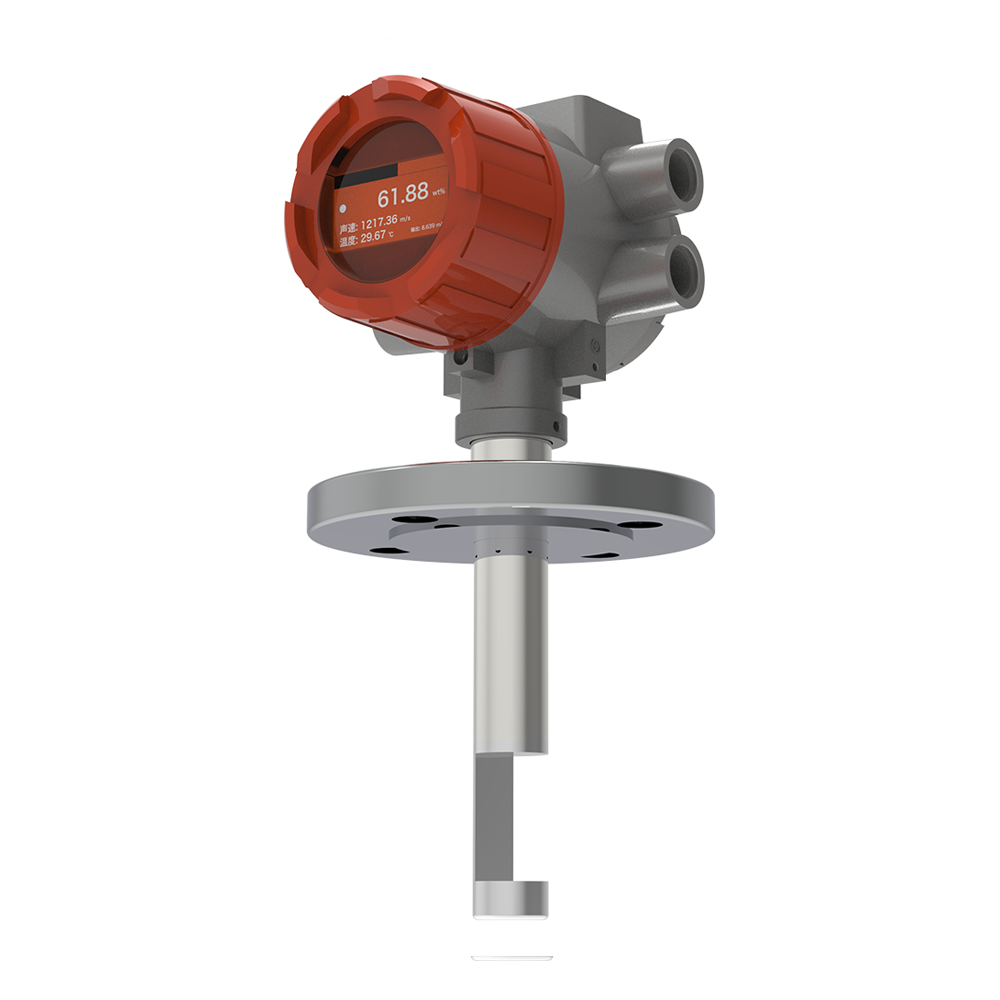
Ready to Upgrade Your Process Concentration Monitoring?
Explore the full range of LONNMETER inline concentration meters designed for chemical, mining, and food processing applications. Our team of process measurement specialists can help you select the right technology, configure the optimal installation, and commission the system for maximum accuracy and reliability.
Contact us today to discuss your application requirements, request a technical consultation, or schedule an on-site evaluation. Let LONNMETER help you transform your process concentration monitoring from a periodic guess into a continuous competitive advantage.
This article is part of LONNMETER’s comprehensive guide series on inline process measurement. Related guides: Inline Density Measurement Guide and Inline Viscosity Measurement Guide.