
Introduction
In the upstream extraction, midstream transportation, and downstream refining of the petroleum industry, fluid dynamics dictate profitability and safety. Managing high-viscosity crude, minimizing pressure drops in pipelines, and ensuring sharp oil-water interface separation require continuous, real-time data. Manual grab sampling creates costly process lags and operational blind spots.
Implementing advanced petroleum viscosity measurement and inline density meters for crude oil allows operators to transition from reactive troubleshooting to proactive, automated process control.
Key Applications in the Petroleum Supply Chain
1. Midstream Heavy Oil Pipeline Optimization
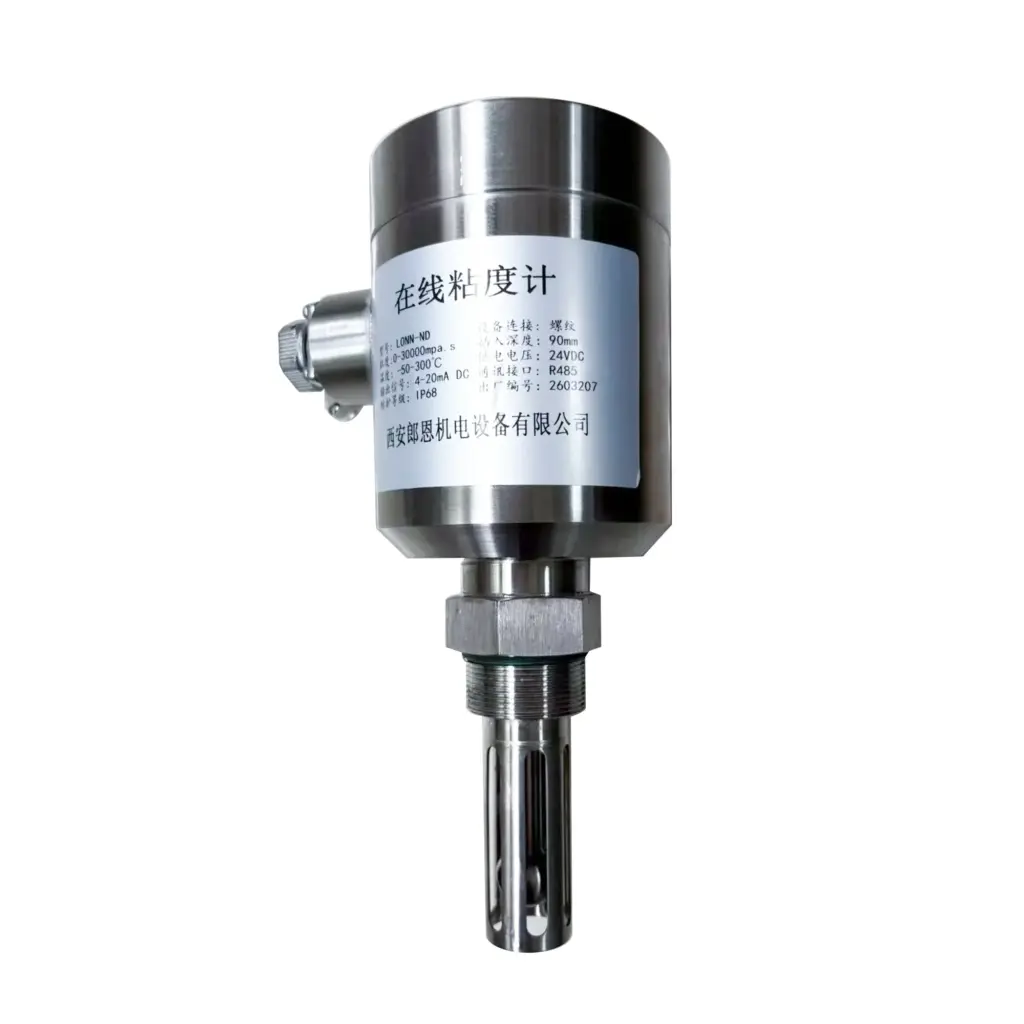
Transporting heavy crude oil through long-distance pipelines requires significant energy for pumping and heat tracing. Real-time heavy oil pipeline optimization relies heavily on continuous viscosity tracking.
- The Solution: Inline vibrating fork viscometers monitor fluid resistance in real-time, allowing automated systems to precisely dose drag-reducing agents (DRAs) or adjust thermal tracer temperatures. This directly reduces pipeline friction, prevents asphaltic deposition, and cuts pumping energy consumption by up to 18%.
2. Downstream Refinery Blending Control
Refineries must blend various crude stocks and additives to meet strict fuel specifications (such as ASTM standards). Inaccurate blending leads to off-spec batches and costly re-processing.
- The Solution: High-precision positive displacement gear flow meters combined with continuous density transmitters automate the refinery blending control loop. By providing instantaneous mass flow and multi-phase fluid metrics directly to the DCS, refineries achieve flawless formulation accuracy, eliminating volumetric discrepancies during custody transfer.
3. Desalter and Oil-Water Interface Tracking
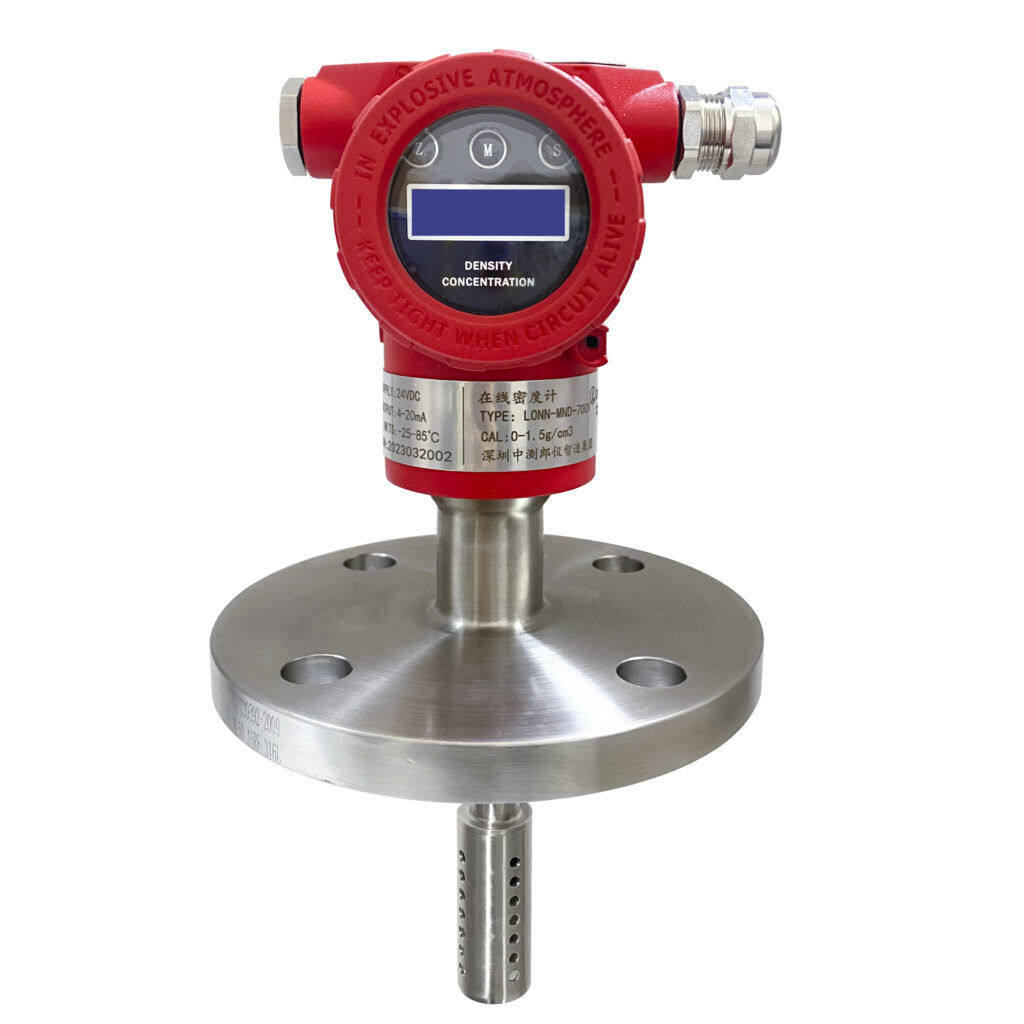
During crude oil dehydration and desalting, maintaining a sharp interface between the oil and brine layers inside the separator is critical. Water carryover ruins downstream catalysts, while oil carryunder wastes valuable hydrocarbons.
- The Solution: Utilizing robust, explosion-proof online density meters allows operators to detect subtle specific gravity changes at different vessel heights. This guarantees exact phase-separation tracking and protects critical refinery infrastructure from corrosion.
Instrument Selection Criteria for Hazardous Environments
When selecting measurement instruments for the oil and gas sector, engineering teams must prioritize compliance and structural integrity:
- Explosion-Proof Certifications: All field-mounted transmitters must hold rigorous Ex d IIC T6 or intrinsic safety (Ex ia) ratings for Zone 1 and Zone 2 hazardous areas.
- Wetted Material Ruggedness: To withstand hydrogen sulfide ($H_2S$), high chloride content, and abrasive sand particles, sensors should be specified with 316L Stainless Steel, Hastelloy C276, or specialized Tungsten Carbide coatings.
- Temperature & Pressure Ratings: Instruments must maintain calibration stability under extreme process conditions, typically exceeding temperatures of 200°C and pressures up to 4.0 MPa.
Email: anna@xalonn.com
Brand: LONNMETER | smartmeasurer.com
Fill out our RFQ form