
In a blending line, concentration is the variable that quietly decides whether a batch ships or gets reworked. A 0.5% miss on an acid strength, a few points off on a solvent ratio, and the product fails spec, the reactor runs hot, or a downstream customer rejects the lot. Concentration control in chemical blending is less about a clever sensor and more about closing the loop faster than the process can drift.
That is the part most plants underestimate. The meter is rarely the weak link. The loop is — the distance between when the concentration actually moves and when somebody sees it.
The cost of a drifting blend
The first job of concentration control in chemical blending is to make the deviation visible while it is still cheap to fix. The expensive part is not the deviation itself. It is the time between the deviation and the moment someone sees it. A blend that drifts for two hours before the lab calls is two hours of product you cannot sell at full value. Concentration control in chemical blending lives or dies on that gap.
The lab sample runs on the wrong clock
Grab sampling and titration or gravimetric analysis are accurate, but they are slow, and slow is the problem. A lab result that returns two hours after the batch was blended tells you what you did, not what to do next. By the time it lands, the tank is already off-spec.
Three things make the lab a poor control loop:
That is why concentration control in chemical blending keeps drifting back to the same root cause: the decision clock is slower than the process. The lab is an auditor, not a controller.
Inline concentration: you measure a property, then infer the number
Building the calibration table, not guessing it
A density-to-concentration reading is only as good as the curve behind it. For a two-component blend, the table is built by measuring density at several known concentrations — prepared gravimetrically and verified against a reference — across the actual operating temperature range. One adjustment point is not enough: it hides slope and nonlinearity errors. Several points, checked against simultaneous lab samples, reveal whether a simple correction will do or whether a dedicated characteristic curve is required.
This is where concentration control in chemical blending separates a working loop from a decorative number. Plants that skip the table-building step end up distrusting a perfectly good sensor, because the curve — not the hardware — was the weak link.
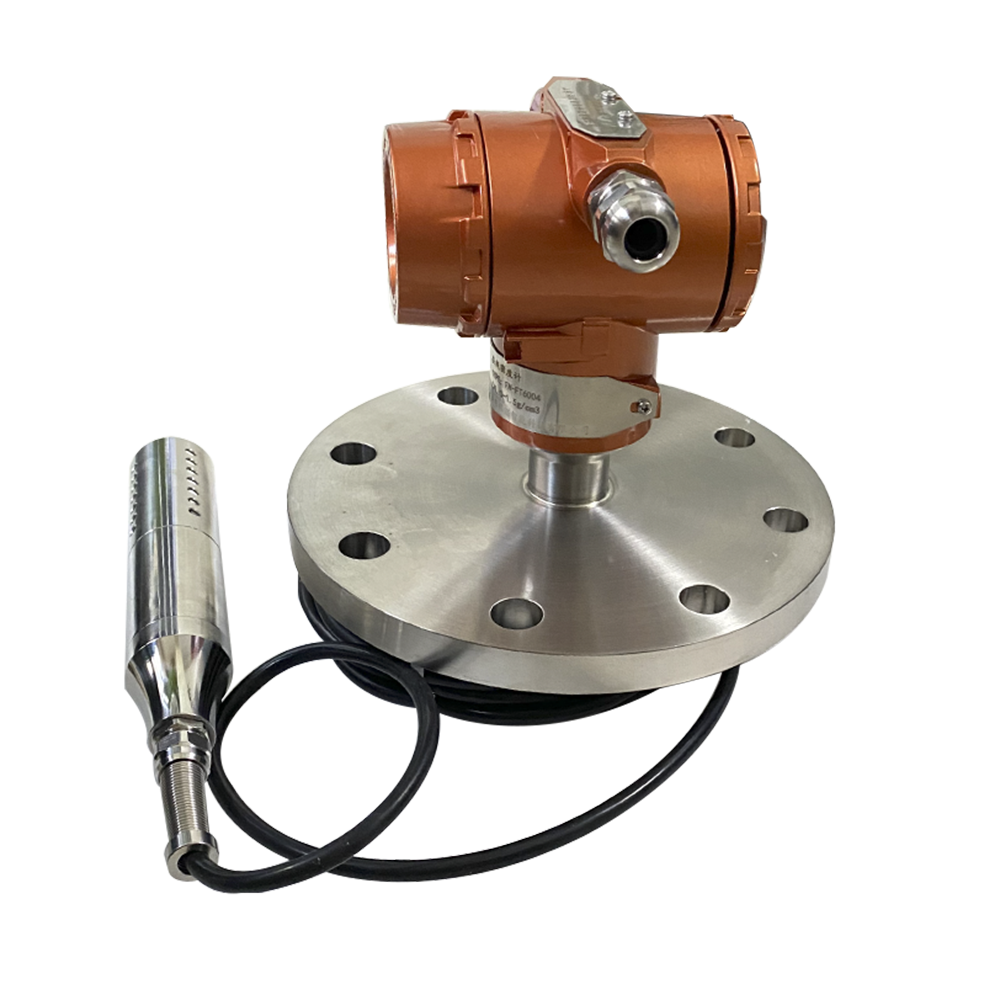
Match the method to the chemistry
No single instrument fits every blend. For concentration control in chemical blending, the chemistry selects the instrument, not the brochure.
Closing the loop: from reading to dosing
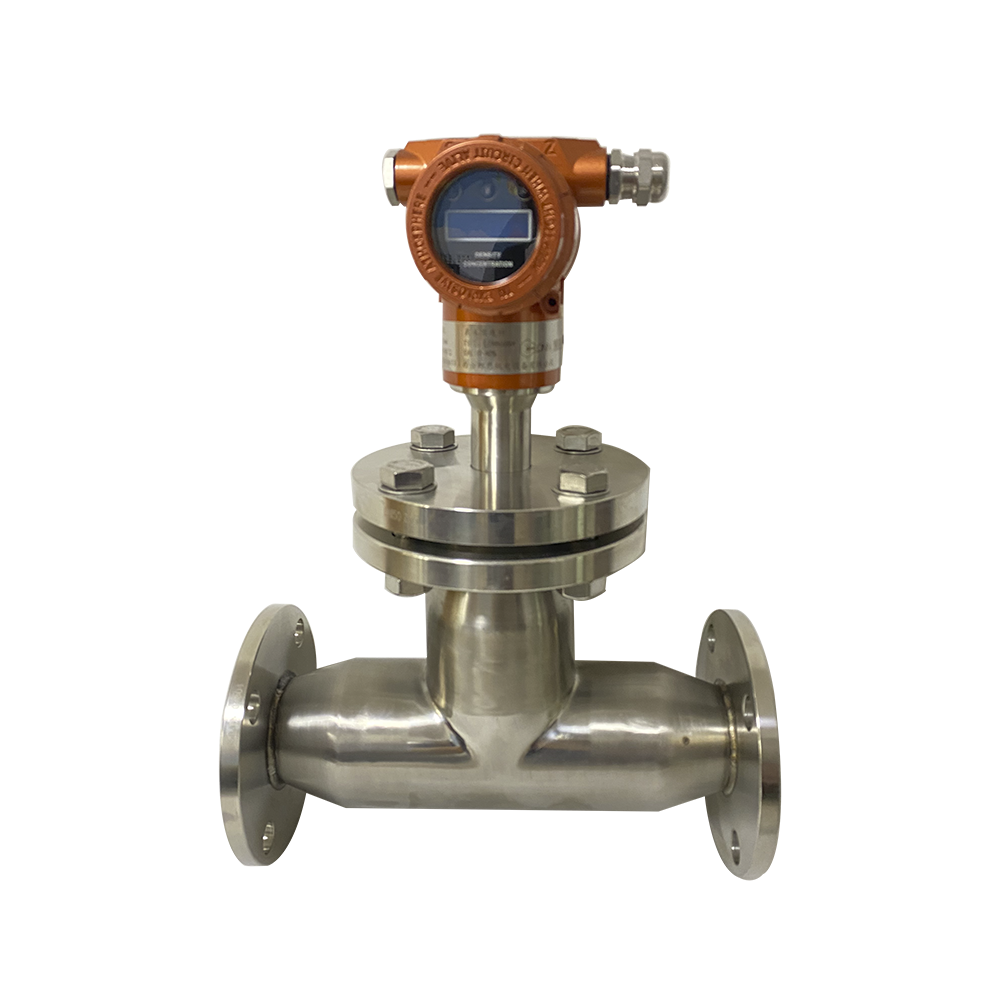
The mistakes that quietly wreck concentration readings
Most concentration-control failures are not sensor failures. They are calibration and installation failures wearing a sensor's name.
None of these is a sensor defect. All of them are preventable with the same discipline concentration control in chemical blending actually requires: a built table, a sensible mount, and a periodic lab cross-check.
A short selection checklist
A short checklist stops concentration control in chemical blending from becoming a shopping exercise. Before you specify, answer four questions: