A battery plant we worked with filled its formation line by hand. An operator drew a hydrometer sample from every fifth cell, squinted at the float, wrote the number in a book, and moved on. The cells that left the line looked identical. The ones that came back under warranty did not. When we mapped the returns against the handwritten log, the pattern was obvious: the off-spec cells were the ones filled when the electrolyte tank had drifted, and nobody had noticed because the tank was checked once a shift, not continuously. That gap — between a number taken by hand every few cells and the actual density moving through the line — is the whole reason battery electrolyte density monitoring belongs inline, not in a glass tube.
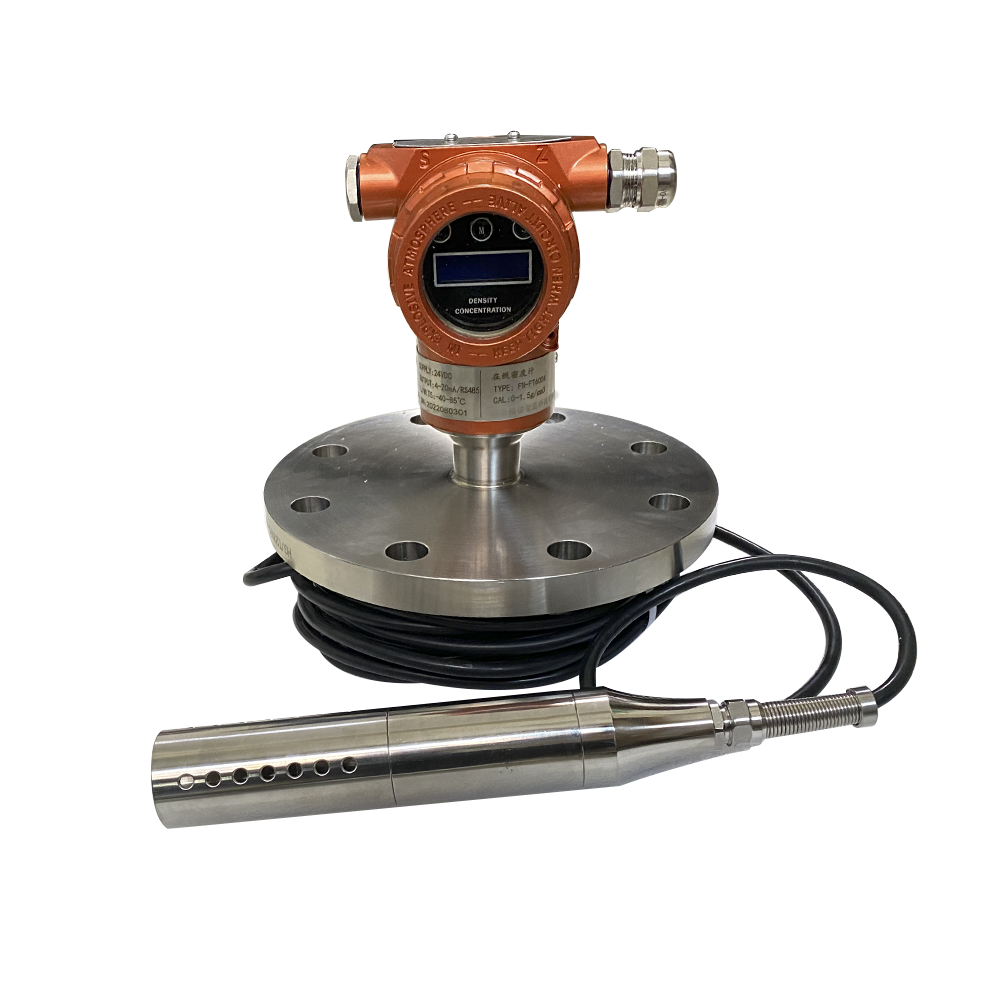
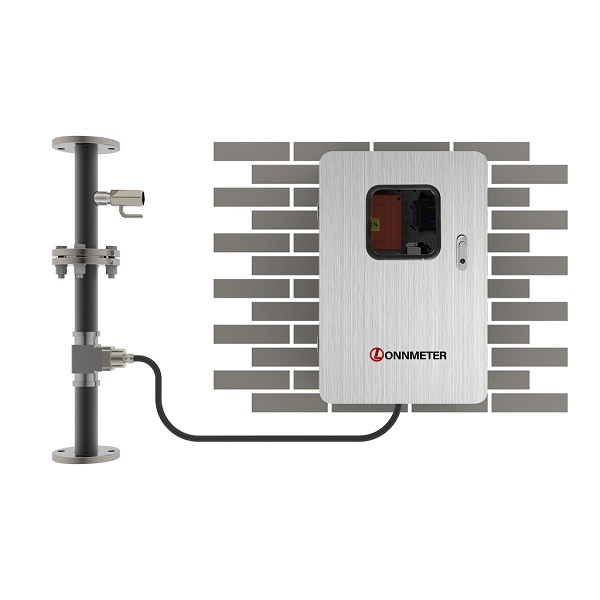
This article compares the inline methods that actually fit a battery electrolyte duty: tuning-fork, clamp-on ultrasonic, and Coriolis. It also says where a manual hydrometer still earns its place, and where it quietly costs you consistency.
Why battery plants watch electrolyte density
In a flooded or stationary lead-acid battery, the electrolyte is dilute sulfuric acid, and its density tracks the state of charge almost linearly. A fully charged cell sits near 1.280 g/cm³; a discharged one drops toward 1.120 g/cm³. That single number tells you four different things a plant cares about:
The pain point is not that plants do not measure. It is that they measure the wrong thing at the wrong time — a snapshot instead of a stream. Battery electrolyte density monitoring is what closes that gap, and the rest of this article is about how to do it without turning the line into a service call.
What the fluid actually is
The methods, compared
How to choose the method

Installation notes that matter for acid
The mistakes that cost consistency