
A nuclear density meter is not a better density meter. It is a different risk profile bolted to the same measurement problem. The gamma source does not make the number more true — it removes the need to cut into the pipe. That single difference, not accuracy, drives the entire nuclear-versus-non-nuclear decision, and most buyers only learn what it costs them after the sealed source has already arrived on site.
This is not an argument that one side is evil and the other pure. It is an accounting of what each technology actually demands from a plant over its life, so the choice is made on evidence rather than on the fear of radiation or the fear of maintenance.
What a radiometric gauge actually does
A nuclear density meter works by attenuation. A sealed radioactive source — most often caesium-137, sometimes cobalt-60 or sodium-22 — sits on one side of the pipe; a detector sits on the other. Gamma rays that make it through the stream are counted, and because denser material absorbs more radiation, the count rate maps to density. Nothing touches the fluid. The sensor is clamped on the outside, which is genuinely useful when the pipe cannot be opened.
That non-contact path is the entire appeal, and it is also the entire liability. The source is a regulated asset from the day it ships: it needs a license to possess, a secured store, periodic leak and surface-dose tests, trained and badged operators, and a documented plan for what happens at the end of its life. Caesium-137 carries a half-life of roughly 30 years and cobalt-60 about 5.3 years, so the source strength walks downward and the gauge quietly drifts until it is re-characterised. The meter is accurate — but only as accurate as the last source calibration and the last verification against a real sample.
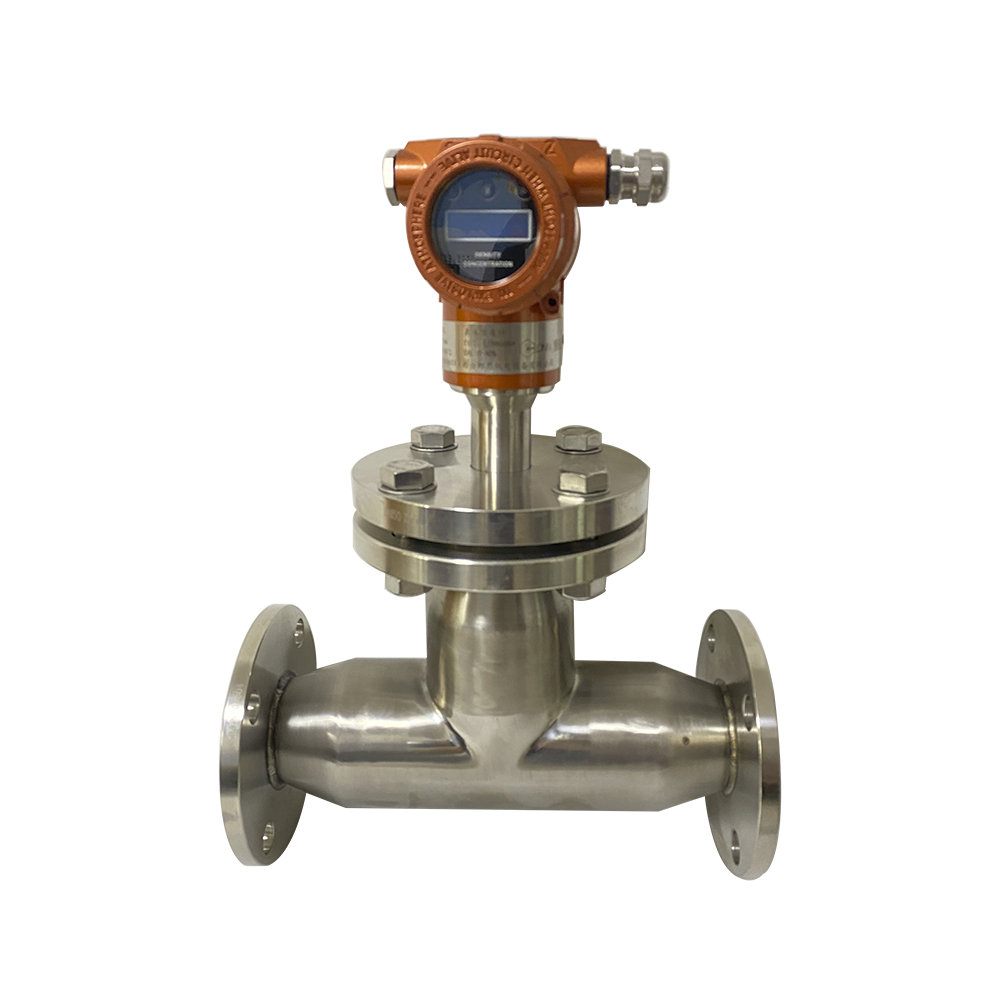
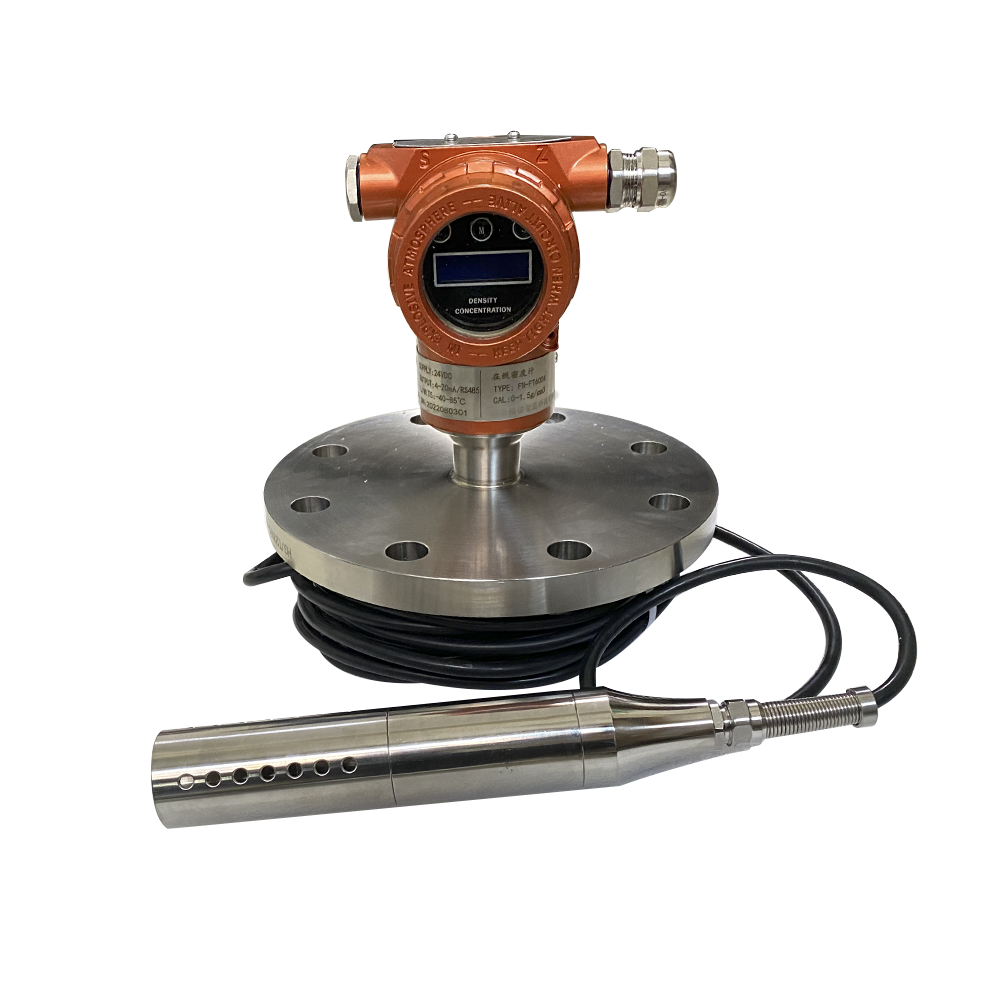
The non-nuclear alternatives, and what they share
Where the money and the risk actually sit
The cases where nuclear still earns its place
What the field actually shows
How we spec and verify
Every non-nuclear transmitter we build is characterised against the method bases we work to — ISO 15212 for vibrating density meters and ASTM D4052 for digital density measurement — and the calibration interval is set per the fluid, not per the catalogue. Where a client is weighing a radiometric option, the relevant duties fall under sealed-source instrumentation standards such as IEC 60532 and the local radiation-protection regime, and those need a radiation-protection specialist, not an instrument vendor. The exact reference values, wet-end ratings, and calibration intervals for any model are the ones on the published datasheet, and any comparison against a nuclear gauge should be confirmed against your own process conditions and regulatory obligations before a source is ordered.