
In a coal washery the saleable tonnage is settled long before the coal reaches the screen — it is settled in the density of the heavy-medium suspension. The whole point of dense-medium separation is Archimedes: float the light coal, sink the heavy rock, and the only thing that draws the line between them is the density of the fluid you suspend them in. Run that fluid a little light and coal follows the gangue to tailings; run it a little heavy and rock rides the belt with the product. So coal slurry density control is not a metering afterthought. It is the knob that sets your yield, your ash, and your media cost at the same time — and most plants still turn it by reading yesterday's bucket.
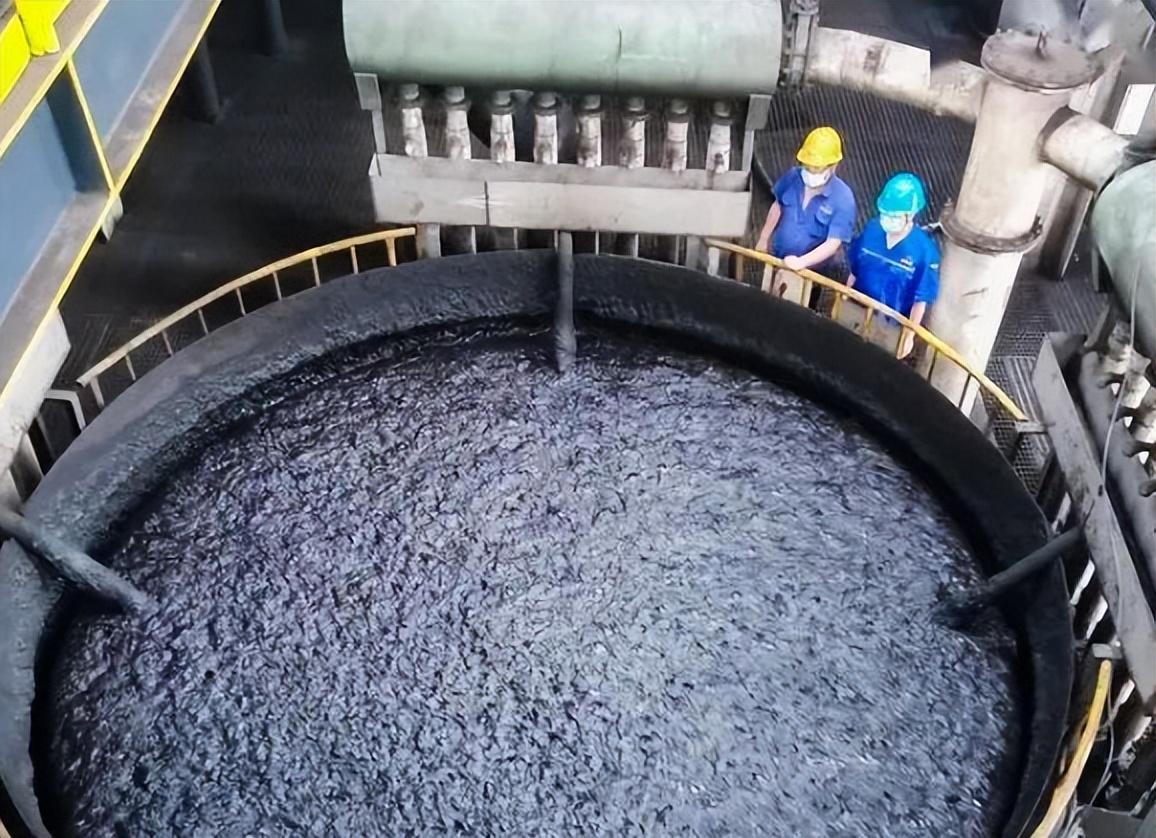
The number that decides your yield is a density, not a grade
Dense-medium separation works because coal and rock sit on opposite sides of a density threshold. Clean coal floats around 1.30–1.50 RD; the shale and stone you are trying to reject sit near 1.75 RD and up. The suspension you pump through the vessel or the cyclone has to land squarely between those two numbers, because the cut is made at the suspension density, not at any property of the coal itself. Nudge that density a few hundredths and the partition curve slides — and with it, your clean-coal ash and your reject loss.
This is why coal slurry density control is treated as a process variable in a well-run plant, not a quality check. The heavy-medium cyclone does not care what the lab said at 9 a.m. It responds to the density of what is in it right now. Every minute the actual medium density drifts from the setpoint, the circuit is silently mis-splitting tonnage you will only see on the shift report — or, worse, in the customer's ash complaint.
Why the bucket sample is always half a shift behind
A coal slurry is not a calm liquid. It is magnetite fines, water, entrained air, and a solids fraction that swings with the ore, the wash water, and the operator's hand on the dilution valve. In that environment a single grab sample has three problems at once.
First, it is late. By the time the number reaches the control room the stream has moved on, so the correction you apply is aimed at a fluid that no longer exists. Second, it is one point. Medium density varies around the circuit — at the dilute supply, the dilute-medium vessel, the cyclone feed, the refresh — and a bucket from one spot cannot speak for the others. Third, it invites drift you cannot see. A plant that controls on an hourly sample will ride a slow density walk for an entire shift before anyone notices the ash has crept. Continuous coal slurry density control is what keeps that walk from becoming a loss.
The plants that hold their yields are the ones reading coal slurry density control continuously at the point that matters, then closing the loop — not the ones weighing more buckets.
Three things that actually move your medium density
If you ask where a medium circuit loses its density, it is rarely the meter. It is the medium itself.
Magnetite loss. The suspension is magnetite in water, and magnetite is expensive and easy to lose. Every percent of magnetic solids that reports to tailings with the rejects drags the suspension density down and the media cost up. Tracking the magnetic content, not just the bulk density, is what keeps the setpoint true.
Stability and settling. A heavy-medium suspension wants to stratify when it slows down. In a partly-filled tank, a dead leg, or a line running below its design velocity, the dense fraction sinks and the probe reads whatever layer happens to sit at it. A reading from a stratified line is a reading from a layer, not the circuit.
Disturbance from the circuit around it. Fresh water in, middlings back, dilution for the cyclone, refresh from the drain — every stream that touches the medium nudges its density. A control loop that watches coal slurry density control and trims dilution or makeup medium automatically is what keeps those nudges from becoming a drift. That is the unglamorous core of coal slurry density control — the medium is never still, so the loop cannot be either.
How plants read it inline — and what survives a coal slurry
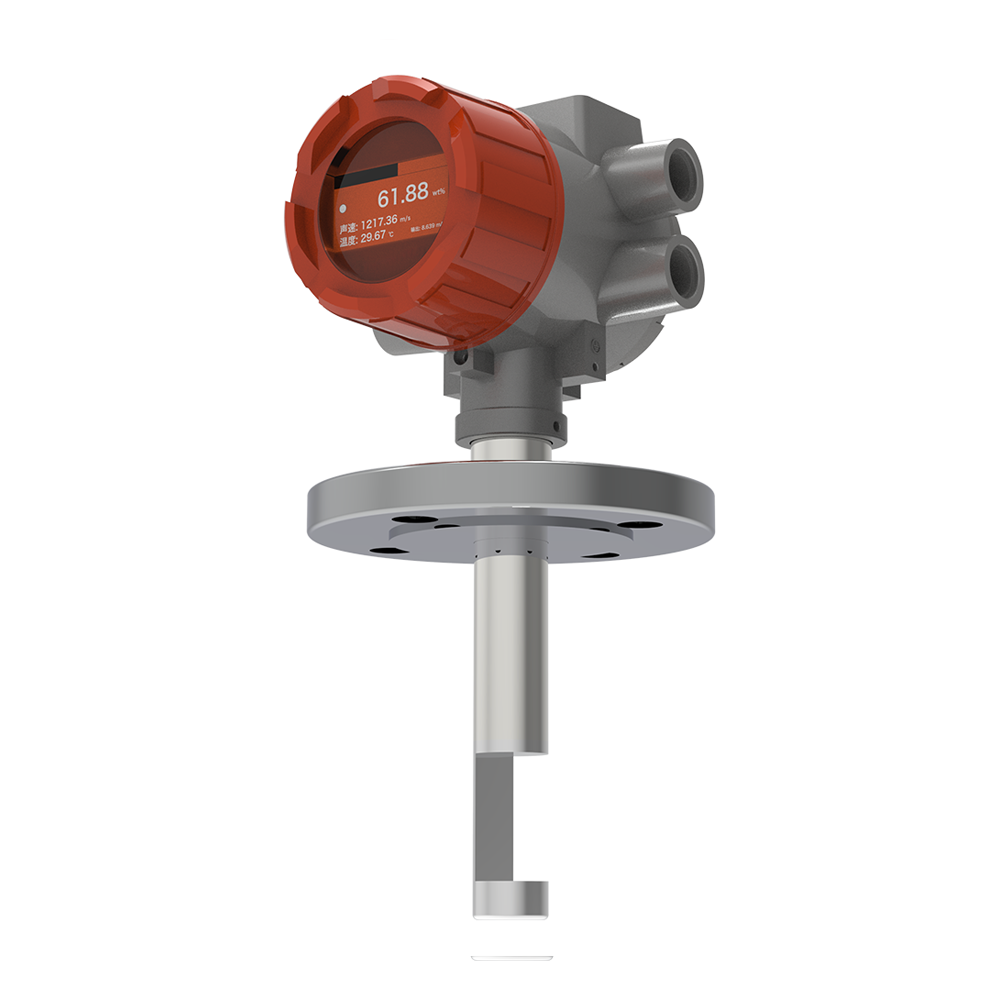
What a coal washery should actually spec for
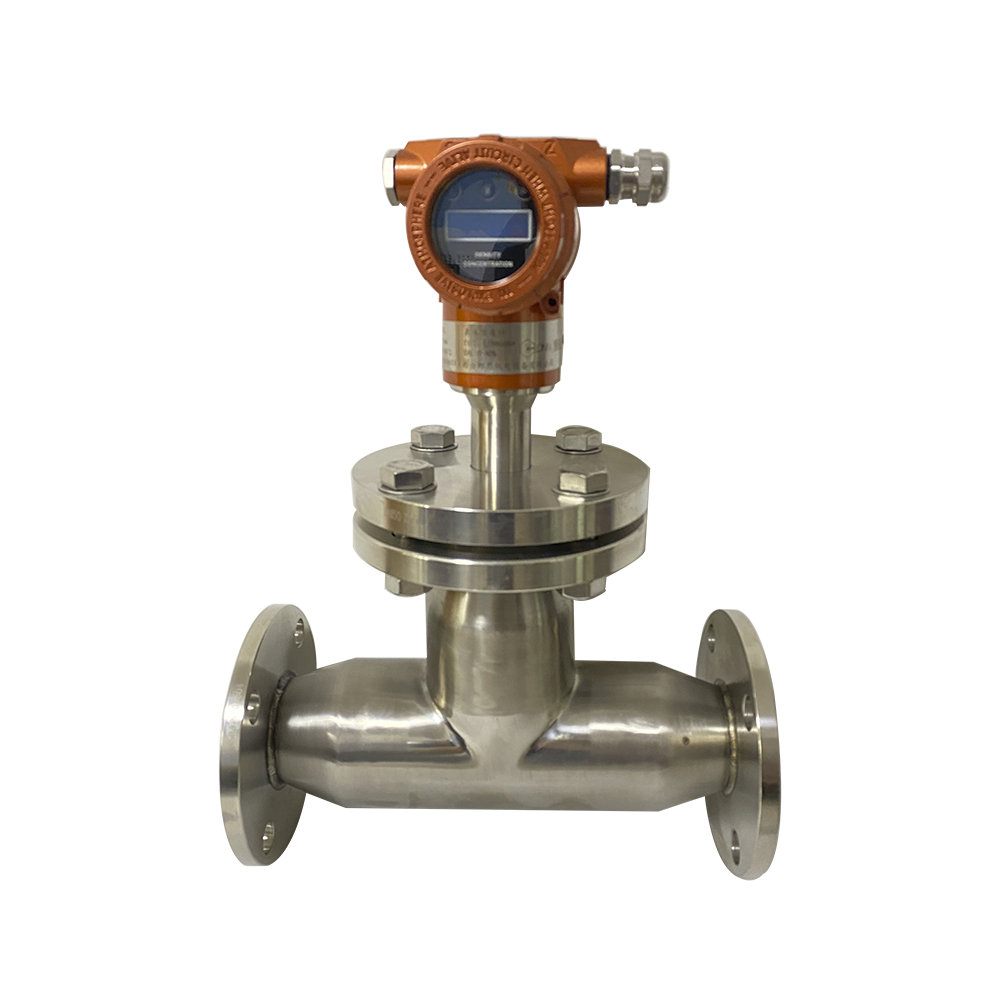
From a reading to a controlled circuit
A transmitter by itself is just a number on a screen. The real payoff of coal slurry density control arrives when that density signal closes a loop. The control point in most plants is the clean-medium (dense-medium) sump or surge tank — hold its density, and the vessel and cyclone feeds follow. The loop trims dilution water or makeup medium automatically as the reading moves, instead of waiting for an operator to react to a late sample.
Where coal-slurry density loops quietly fail
The failures are rarely dramatic. They are slow, and they hide in the routine.
A sample point that does not represent the circuit — drawn from a calm spot while the cyclone feed surges — feeds a loop that is stabilizing the wrong number. Magnetic content left untracked lets bulk density look stable while the medium slowly washes out. A probe that is never cleaned builds a coating and reads light. A gauge left uncalibrated against a cooled reference drifts until the ash report arrives. And the nuclear shortcut, taken to avoid the wear problem, trades a maintenance ticket for a safety and licensing load the plant was not staffed for.